

Technology has rapidly transformed nearly every industry, and the restaurant sector is no exception. Over the past decade, digital innovations have reshaped how restaurants operate, serve customers, and manage their businesses. From online reservations to automated kitchens, technology is no longer a luxury—it is an essential ingredient for efficiency and growth.
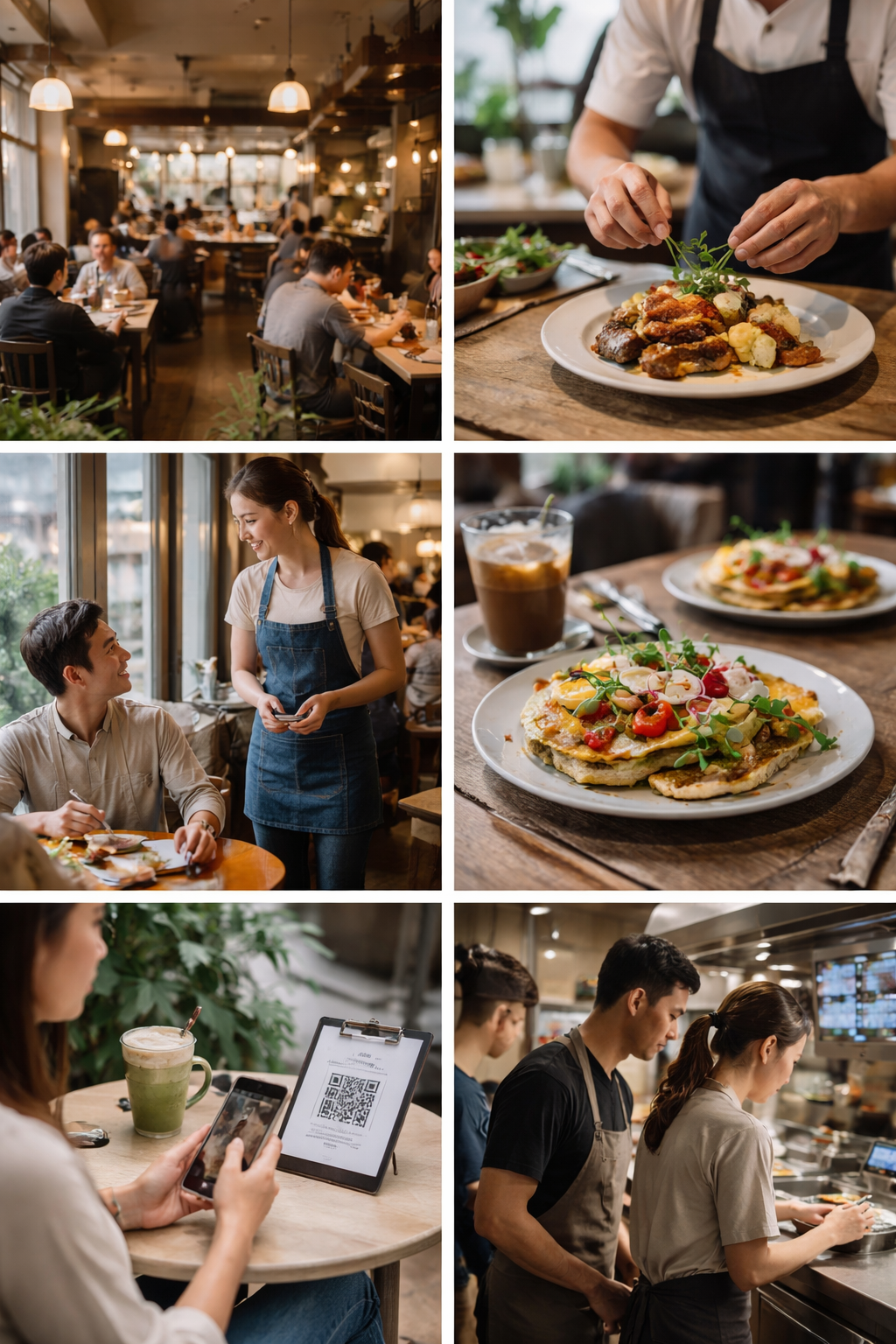
One of the most visible changes is the introduction of digital ordering systems. Many restaurants now use tablets or QR-code menus that allow customers to browse dishes, customize orders, and pay directly from their tables. This reduces waiting time, minimizes order errors, and streamlines communication between the dining area and kitchen. Faster service improves customer satisfaction and allows restaurants to serve more guests during busy hours.
Online ordering and delivery platforms have also revolutionized dining habits. Customers can now enjoy restaurant meals from home with just a few taps on their smartphones. For restaurants, these platforms expand market reach beyond physical seating capacity. Even small eateries can serve hundreds of customers daily through delivery services.
Another important technological advancement is the point-of-sale (POS) system. Modern POS software does far more than process payments. It tracks sales, monitors inventory, generates reports, and analyzes customer preferences. These insights help restaurant owners make informed decisions about menu pricing, ingredient purchasing, and marketing strategies.
Reservation management software has simplified table booking. Instead of relying on phone calls, restaurants can accept reservations online and manage seating efficiently. Automated reminders reduce no-shows, while digital waitlists help guests know exactly when their table will be ready. This improves organization and reduces crowding at entrances.
In the kitchen, technology is enhancing precision and productivity. Smart appliances with programmable settings ensure consistent cooking results. Digital kitchen display systems replace handwritten tickets, reducing confusion and improving coordination among chefs. Some advanced restaurants even use robotics for repetitive tasks such as frying or assembling dishes.
Customer relationship management tools are another valuable innovation. These systems store customer data, including dining preferences and visit history. Restaurants can use this information to send personalized offers, birthday discounts, or loyalty rewards. Personalized marketing makes guests feel valued and encourages repeat visits.
Contactless payment methods have become increasingly popular. Mobile wallets, tap-to-pay cards, and online payment links allow guests to settle bills quickly and securely. This convenience not only saves time but also enhances hygiene—an important consideration for many diners.
Technology also plays a role in restaurant marketing. Social media platforms, email campaigns, and targeted advertisements help restaurants reach specific audiences. Analytics tools measure campaign performance, allowing businesses to refine strategies and maximize return on investment.
Despite its many benefits, technology must be implemented thoughtfully. Staff should be trained properly to use new systems, and restaurants must ensure data security to protect customer information. Choosing reliable software and maintaining backups prevents disruptions during busy service hours.
Importantly, technology should enhance—not replace—the human touch. While digital systems improve efficiency, warm hospitality and genuine interaction remain essential to memorable dining experiences. The most successful restaurants use technology to support their staff, allowing them to focus more on customer care rather than administrative tasks.
Looking ahead, emerging innovations such as artificial intelligence, voice ordering, and smart kitchens will continue to shape the industry. Restaurants that embrace these advancements early will gain a competitive edge, offering faster service, personalized experiences, and greater convenience.
In summary, technology is transforming the modern restaurant industry by improving efficiency, accuracy, and customer satisfaction. From digital menus to advanced analytics, these tools empower restaurants to operate smarter and serve guests better. As technology continues to evolve, it will undoubtedly play an even larger role in shaping the future of dining.
Staff training is another area where innovation matters. Modern restaurants invest in teaching employees communication skills, problem-solving techniques, and product knowledge. Well-trained staff can confidently recommend dishes, handle complaints professionally, and create a positive atmosphere.
Finally, innovation often comes from listening to customers. Feedback cards, online reviews, and casual conversations provide valuable insights. Restaurants that adapt based on customer suggestions show that they value their guests’ opinions. This responsiveness strengthens relationships and encourages repeat visits.
In conclusion, innovation is the driving force that keeps restaurants competitive and exciting. From digital tools and creative menus to sustainable practices and smart marketing, new ideas help restaurants stand out in a crowded market. Those who embrace change and continuously improve are the ones who thrive. In the modern dining world, innovation is not just an advantage—it is a necessity.